
Are Aftermarket Wheels Safe? What Most People Get Wrong
1.What Are Aftermarket Wheels?
Aftermarket wheels are non-OEM (Original Equipment Manufacturer) rims — designed and produced by third-party brands, not the car manufacturer.
They come in a wide range of styles, sizes, finishes, and materials. Many drivers choose them to upgrade the look, performance, or stance of their vehicle.
But here’s the big question:
👉 Are aftermarket wheels actually safe?
The answer is: some are, some aren’t — and knowing the difference could save you from serious risk.
⸻
2. Why People Choose Aftermarket Wheels
✅ Aesthetic Upgrade
They instantly change how your car looks. Think black concave rims, bronze finish, deep dish, or aggressive fitment.
✅ Performance Improvement
Many forged or flow-formed aftermarket wheels are lighter than OEM — which can improve handling and acceleration.
✅ Custom Fitment
Aftermarket brands allow more flexibility in width, offset, PCD, and staggered setups to achieve better visual and dynamic balance.
✅ Cost-Effective Replacements
OEM wheels can be expensive. Aftermarket alternatives offer similar size/specs at lower prices.
But the benefits only matter if safety isn’t compromised.
⸻
3. The Truth: Not All Aftermarket Wheels Are Safe
Just because a wheel fits your car doesn’t mean it’s safe. Here are the most common misconceptions:
⸻
❌ Myth #1: If It Fits, It’s Fine
Many people think as long as the bolt pattern matches, the wheel is OK.
Wrong. Fitment involves center bore, offset, brake clearance, load rating, and more.
⸻
❌ Myth #2: All Wheels Sold Online Are Safe
Hundreds of cheap, mass-produced wheels are sold with no testing or certification. Many are made from poor materials and can crack under stress.
⸻
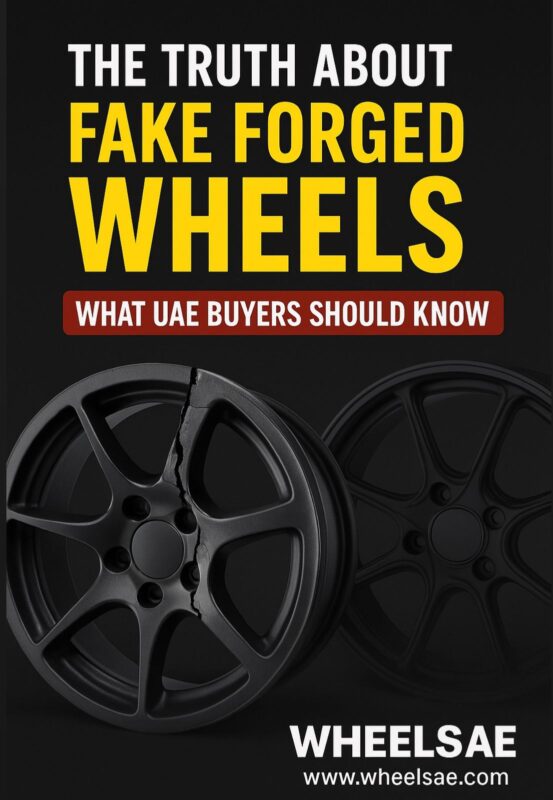
❌ Myth #3: Replica Wheels Are Just as Good as Originals
Replica or “clone” wheels copy the look of OEM or premium brands — but often lack:
• Proper heat treatment
• Load testing
• Manufacturer traceability
Result? They’re more likely to crack or bend in real-world driving.
⸻
4. How to Tell If Aftermarket Wheels Are Safe
Use this simple checklist:
Safety Factor What to Look For
Material Forged aluminum or flow-formed alloy
Certification VIA / JWL / TUV markings
Load Rating Match or exceed your car’s factory specs
Hub-centric Design Center bore fits your hub exactly
Brake Clearance No contact with calipers or suspension
Seller Reputation Verified brand with warranty and support
⸻
5. Are Cheap Wheels Dangerous?
In short: yes, they can be.
Low-cost wheels often:
• Are made with recycled or low-grade aluminum
• Lack quality control
• Skip essential tests like radial fatigue or impact
• Crack at low-speed potholes or break under cornering
💡 If it seems too cheap to be real — it probably is.
⸻
6. Real Accidents Caused by Unsafe Wheels
• A Nissan Patrol in Sharjah lost a front wheel on the highway. Investigation showed the replica rim had a manufacturing crack.
• A Tesla Model 3 in Dubai suffered sudden deflation when a cheap concave wheel broke under cornering pressure.
Neither of these wheels had passed any certification testing.
⸻
7. OEM vs Aftermarket: Which Is Safer?
Many drivers wonder if sticking with factory (OEM) wheels is the only safe option. The truth is more nuanced.
OEM wheels are made by or for the car manufacturer. They’re designed to meet safety, fitment, and durability standards for your specific vehicle. That means the materials, bolt pattern, offset, and load rating are all guaranteed to match — and they always pass rigorous tests before production.
But OEM wheels come with downsides:
• They’re usually heavy
• Visual design options are limited
• Replacements can be extremely expensive
On the other hand, quality aftermarket wheels — especially those made using forged or flow-formed aluminum — can be just as strong, and in some cases even safer than OEM. Many reputable brands exceed OEM testing standards, offering better strength-to-weight ratio and higher impact resistance.
The key difference is how carefully you choose the aftermarket wheel. While some brands cut corners to reduce price, others invest in engineering, certification, and performance.
👉 So which is safer?
If you’re buying from a reputable brand with proper certification (like VIA or JWL), and matching specs like bolt pattern, offset, and load rating, aftermarket wheels can be equally safe — or even better — than OEM.
But if you’re buying cheap replicas or uncertified wheels just because they look cool, you’re risking more than just your car’s performance — you’re risking your safety.
⸻
8. How to Buy Safe Aftermarket Wheels (Step-by-Step)
✅ Step 1: Choose a Reputable Brand
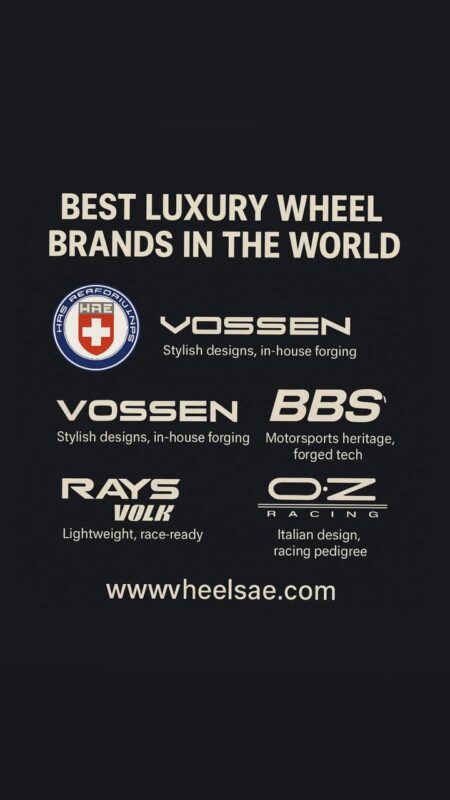
Look for brands with safety certifications and track record. (e.g. brands offering JWL/VIA certified wheels)
✅ Step 2: Know Your Car’s Specs
Double-check bolt pattern (PCD), center bore, offset, and load rating. Use a fitment calculator if needed.
✅ Step 3: Ask About Warranty
Legit brands offer structural warranties (often lifetime) for cracks or bends due to manufacturing defects.
✅ Step 4: Avoid “Too Good to Be True” Deals
If the price is super low and the seller unknown, walk away. Cheap wheels can cost you more in the long run — or your safety.
⸻
9. What About Lightweight Wheels?
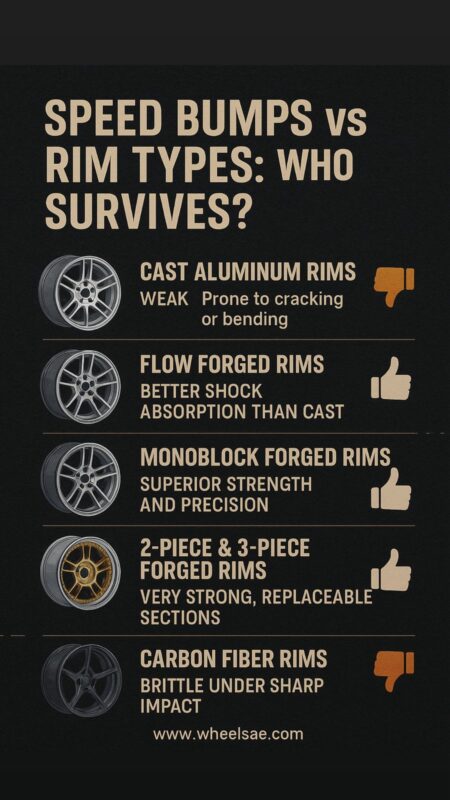
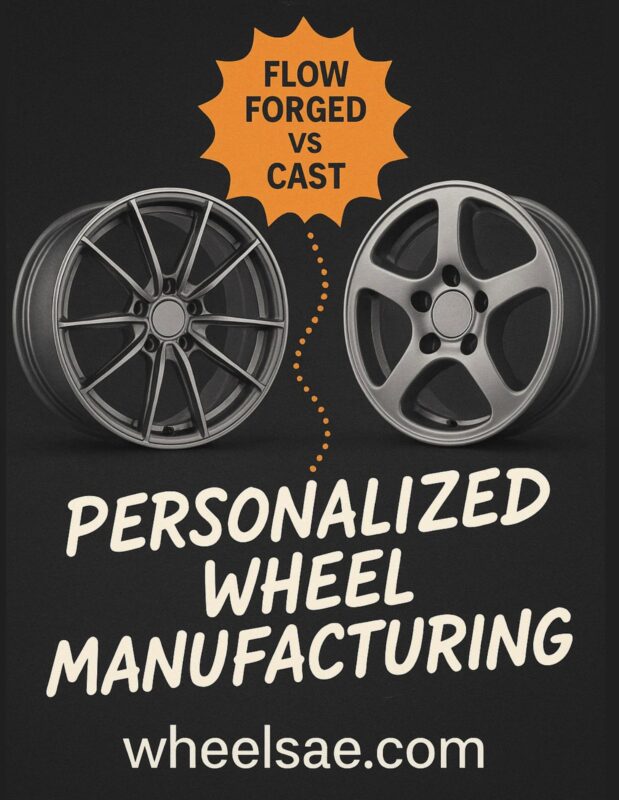
Many performance aftermarket wheels are forged or flow-formed — which makes them stronger and lighter than OEM.
Benefits of Lightweight Wheels:
• Faster acceleration
• Improved braking
• Less strain on suspension
• Sharper handling
So yes — aftermarket can actually be safer and better if you upgrade wisely.
⸻
10. Are Aftermarket Wheels Legal in the UAE?
Yes — as long as they meet safety and fitment standards.
To pass the RTA inspection:
• Wheels must not poke out beyond fenders
• No rubbing on suspension or body
• Center bore must be properly aligned
• Load capacity must match or exceed factory rating
WheelsAE offers options that are RTA-safe and tested for UAE roads.
⸻
11. Final Thoughts
Aftermarket wheels are not inherently unsafe — but buying the wrong ones can lead to real problems.
When chosen carefully from reputable brands with proper specs and certification, aftermarket wheels can actually improve your car’s performance, safety, and style.
If you need help choosing the right wheels, spacers, or hub rings, visit wheelsae.com or message us directly on Instagram.
⸻
🔗• 📘 Read more helpful articles: https://wheelsae.com/blog
• 📲 DM us for fitment help: https://www.instagram.com/wheels_tire.ae/
⸻